Jean-Michel Van Schouwburg
Orynx
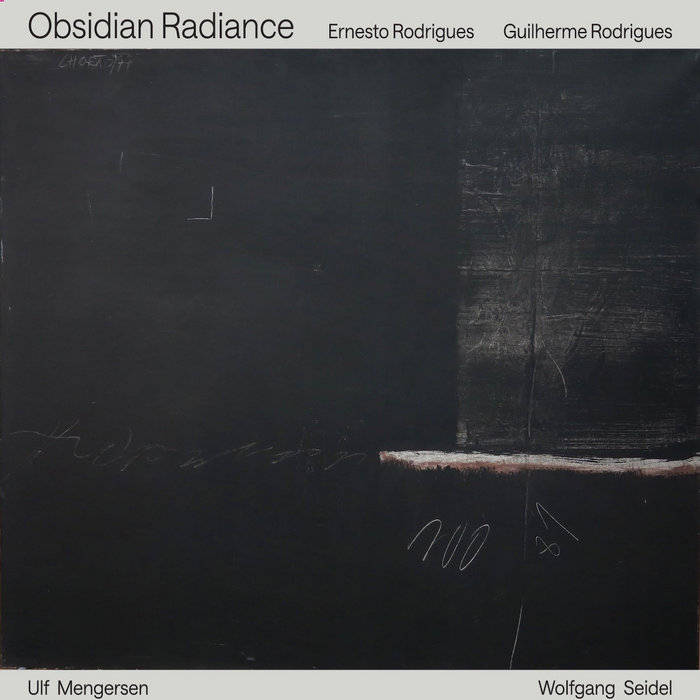
Examines the interwoven bowing of three string instruments alongside Wolfgang Seidel’s electronics and the crackle box, tracing the music’s spontaneous shifts.
Cellist · Improviser · Curator · Artistic Researcher
Orynx
Examines the interwoven bowing of three string instruments alongside Wolfgang Seidel’s electronics and the crackle box, tracing the music’s spontaneous shifts.
Jazz Thoughts
Considers the quartet’s dense, atmospheric improvisation, focusing on the interplay of strings, electronics and unstable sonic textures.
Orynx
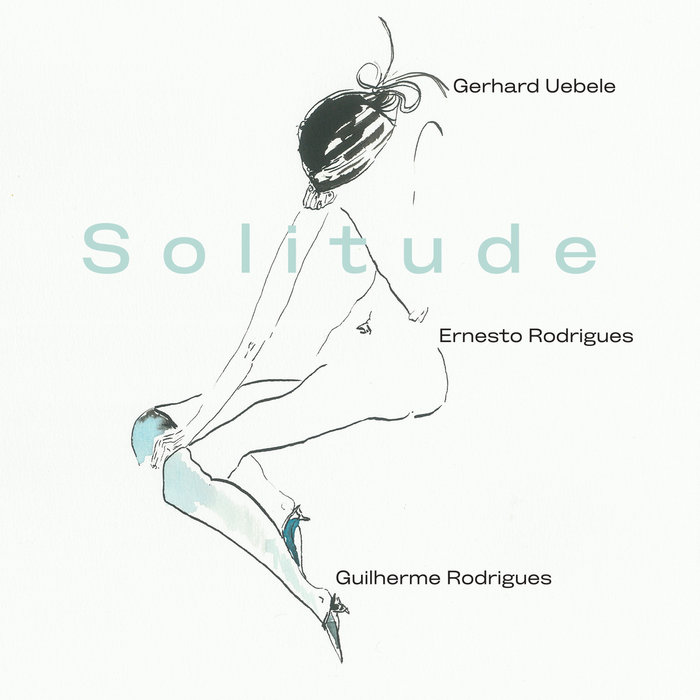
Follows the intimate string-trio interaction, with shifting timbres, shared gestures and fleeting vocal sounds.
Jazz Thoughts
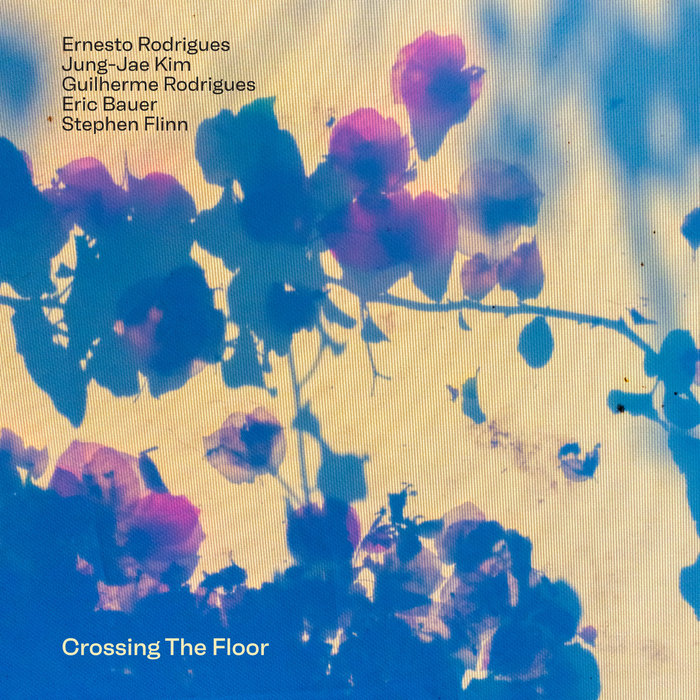
Reflects on spatial listening, shadow-like movement and the quintet’s carefully dispersed sounds.
Jazz Thoughts
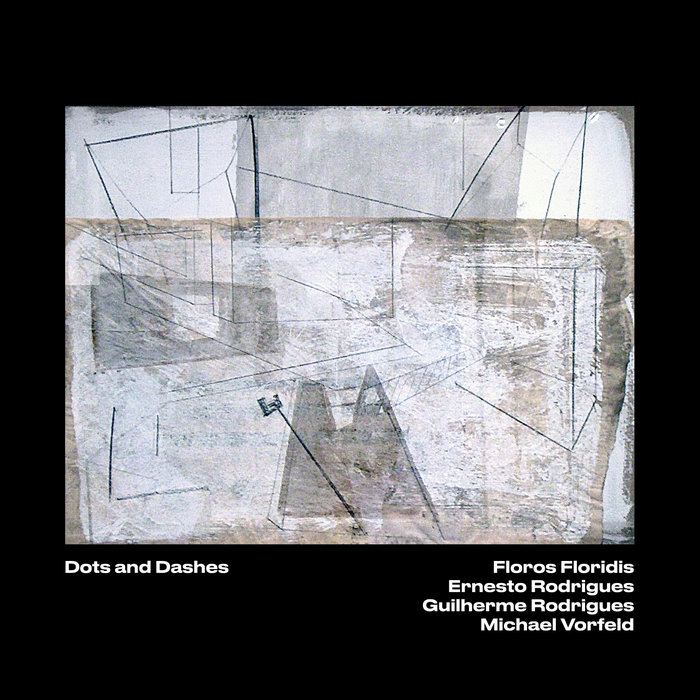
Explores sparse, pointillistic improvisation and the close interaction of clarinet, strings and percussion.
Orynx
Describes an experimental chamber-music dialogue built from subtle, constantly changing instrumental colours.
Percorsi Musicali
Discusses the Red List Ensemble’s spacious, electroacoustic ensemble sound and its dynamic handling of density and orchestration.
Jazz Thoughts
Describes the striking electric-guitar sonorities and their dialogue with the viola and cello, creating an unfamiliar electroacoustic terrain.
Orynx
Emphasizes the unusual timbral interaction of experimental guitar and bowed strings.
Orynx
Explores the father-and-son improvisational dialogue, combining cello, viola and recordings connected with Pico Island.
Jazz Thoughts
Discusses the way an octet develops a collective sonic narrative through finely balanced improvisation.
Jazz Thoughts
Considers the cello quartet Hunter Underwater’s textural landscape and submerged, sometimes almost vocal sonorities.
Percorsi Musicali
Considers how an acoustic-electronic quartet shapes texture, density and timbre through collective improvisation.
Jazz Thoughts
Discusses the ensemble’s detailed interplay and continually changing sonic environment.
Orynx
Explores the intimate and spontaneous interplay of Ernesto and Guilherme Rodrigues in the father-and-son duo.
Independent commentary
Reflects on the duo’s sustained listening and the nuanced balance between instrumental detail and broader musical gesture.
NiteStylez
Discusses the album’s collision of percussion, cello and electroacoustic material in an exploratory sound-art setting.
Independent commentary
Examines the recording’s metallic, immersive sounds and the ambiguity of instrumental and electronic sources.
Jazz Thoughts
Explores the role of Ben Bennett’s inventive percussion within an intensely integrated trio of strings and found sounds.
Orynx
Examines the reciprocal exchanges between the bowed strings and percussion, and their constantly changing textures.
Dusted Magazine
Describes the raw material energy of the percussion and the trio’s adventurous acoustic sound.
Jazz.pt
Discusses the trio’s 2022 concerts in Berlin, Cologne and Munich, the close interplay of viola, cello and saxophone, and their evolving atmospheric textures.
Jazz Thoughts
Considers the album’s nocturnal character and emotionally varied improvisations across the seven movements.
Orynx
Highlights the musical atmosphere and poetic interplay of strings and saxophone during the German tour.
Passos na Floresta
Places the trio’s improvised sound alongside post-serial chamber-music ideas and intricate collective listening.
Jazz Thoughts
Considers the recording’s sense of musical time and the shifting durations and interactions of its improvisations.
JazzWord
Discusses restrained improvisation and its changing balance between quiet passages and concentrated acoustic gestures.
Orynx
Emphasizes the patience, pauses and detailed interaction of the ensemble’s instruments.
Jazz Thoughts
Analyses the quintet’s layered free improvisation and its interactions between different generations of musicians.
Orynx
Explores the contrast between the quintet’s chamber-music sensitivity and its more turbulent collective passages.
Independent commentary
Reflects on the ensemble’s sound and the character of its individual improvisations, including Hipogrifo.
Passos na Floresta
Examines the labyrinthine relationship between post-serial ideas, free jazz and collective improvisation.
JazzWord
Situates the group at the meeting point of European free jazz and experimental improvised music.
Jazz Thoughts
Links the music’s non-linear movement to the Situationist notion of dérive, exploring space, counterpoint and nine changing improvisations.
Kathodik
Describes the recording’s close-knit instrumental dialogue and its spontaneous, human quality.
Orynx
Highlights the shifting combinations of strings, winds and percussion, with continuously transforming textures.
JazzWord
Focuses on the players’ counterpoint, chamber-music affinities and collective free improvisation.
Jazz Thoughts
Examines how Ute Wassermann’s voice and bird whistles mingle with viola and cello, blurring the boundary between vocal and instrumental sound.
Independent commentary
Highlights the meeting of the Rodrigues family with Günter Baby Sommer and Gonçalo Mortágua, with a stronger free-jazz rhythmic energy.
Trybuna Muzyki Spontanicznej
Discusses the quartet’s kinetic interplay and the contrasting string, wind and percussion techniques.
Orynx
Examines the unusual interaction between free-jazz percussion, reeds and the father-and-son string duo.
The Free Jazz Collective · October 2023
Places the meeting of Günter 'Baby' Sommer with the Rodrigues family and Gonçalo Mortágua between the raw energy of European free jazz and the spaciousness of extended-technique improvisation.
JazzWord · 2023
Discusses the quartet's energetic exchange between cello, viola, reeds and percussion, and the interplay between string-centred improvisation and more vigorous free-jazz gestures.
The Wire · February 2023
An account of how the cello interacts with reverberant church spaces and how each architecture shapes the music.
Independent commentary
Connects the 58 miniatures to historical and contemporary musical languages, praising the strength of the solo project.
Salt Peanuts
Emphasizes the influence of acoustics on bowing, technique, resonance and the coherence of the recorded journey.
Orynx
Describes the variety of sounds and shapes, and the cello's ability to move between musical traditions.
Touching Extremes
Highlights repeated listening, the continuity of the programme and the expressive detail of the instrument.
Harmonic Series
Focuses on silence, decay and the interaction of instrumental sound with architectural space.
Trybuna Muzyki Spontanicznej
Reflects on the beauty of the cello's acoustic tone and the listening experience.
Jazz.pt
Discusses the 58 brief solo-cello pieces recorded in Berlin churches and a historic boat, emphasizing acoustic space, extended techniques and the concentrated character of the performances.
Squidco
Characterizes the live quartet through classical string technique, open improvisation and energetic interplay.
Jazz Thoughts
Discusses the ensemble's abstract, large-scale approach to improvisation and the role of extended technique.
Jazz Thoughts
Places the group in relation to twentieth-century string quartet languages, describing its demanding contrapuntal improvisation.
Squidco
Draws attention to the meeting of bowed-string experimentation and spontaneous collective form.
Orynx
Examines expressive colour, shifting structures and contrasting saturated and delicate textures.
The Sound Projector
Highlights the duo's inventiveness, musical character and playful sonic exploration.
Independent commentary
Emphasizes the close rapport between the players and the vitality of their improvisational exchange.
Orynx
Discusses the ease of interaction, constant transformation and expressive affinity of the duo.
Salt Peanuts
Describes unconventional musical languages that reshape themselves through adjustment and mutual response.
Trybuna Muzyki Spontanicznej · 22 October 2021
Considers Sebi Tramontana and Guilherme Rodrigues’s seven contrasting trombone-and-cello improvisations, between free-jazz colour and chamber sensitivity.
Vital Weekly · 28 October 2021
Finds an intense, vibrant dialogue between cello and trombone, recorded directly to tape, moving from freer jazz gestures to the exploration of instrumental surfaces and tones.
Jazz Thoughts / Medieval.org
Considers line, distance and the relationship between delicate textures and more abrasive sonic gestures.
FreeForm / FreeJazz
Observes Japanese free-improvisation influences, contrasting detail, silence and moments of noise.
Independent commentary
Highlights the encounter of different musical aesthetics and the trio's meditative chamber-music quality.
SpontaneousMusicTribune
Presents the ensemble's electroacoustic freedom as disciplined chamber music with episodes of concentrated intensity.
Jazz.pt
Reflects on timbre, density, silence and contrasting treatments of harmonic and rhythmic material.
Independent commentary
Describes the relationship between improvised and composed forms and the interaction of acoustic and electronic layers.
Salt Peanuts
Explores the group's microscopic attention to texture, gesture and the tension between silence and noise.
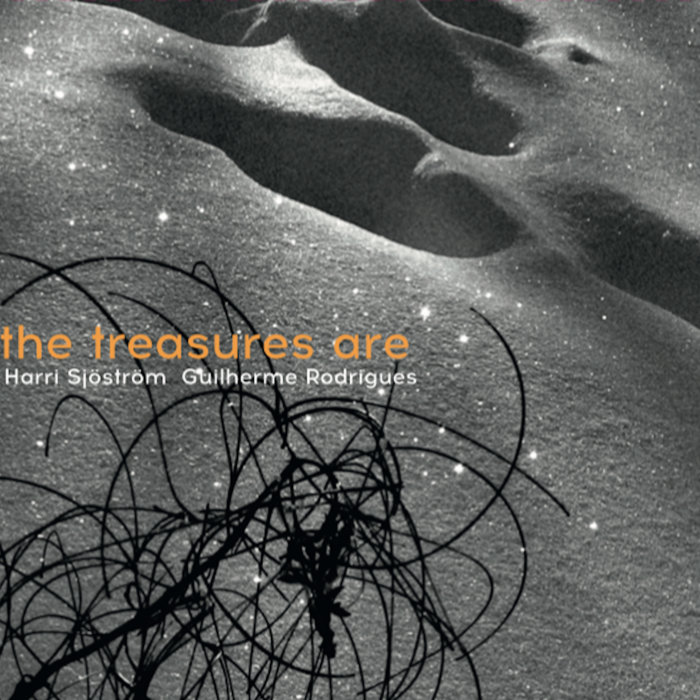
Orynx
Highlights a remarkable range of timbral contrasts and the duo's generous musical responsiveness.
Squidco
Praises the close integration of the two instruments and their intricate musical dialogue.
Independent commentary
Discusses the duo's idiom in relation to improvised music, jazz and contemporary practice.
Jazz.pt
Considers the album through the transmission of musical experience and its expressive breadth.
Avant Music News
Emphasizes Rodrigues' capacity to transform and extend Sjöström's phrases in spontaneous counterpoint.
FreeForm / FreeJazz
Reflects on the players' technical command and the contrast between energetic and more restrained passages.
Trybuna Muzyki Spontanicznej · 22 October 2021
Follows the twenty miniature improvisations of Guilherme Rodrigues and Harri Sjöström from delicate melodies toward richer, more turbulent exchanges.
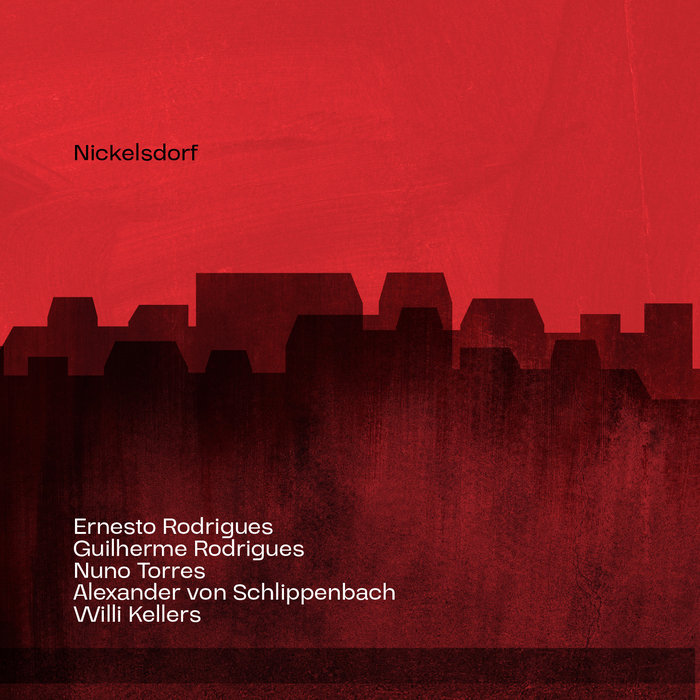
The Squid’s Ear · 20 August 2026
Examines the quintet’s unusual balance of strings, saxophone, piano and percussion, focusing on its delicate passages and shifts between quiet textures and collective intensity.
Percorsi Musicali · 2 May 2026
Situates this Konfrontationen performance after Conundrum and discusses the quintet’s first live encounter, its improvised development and the musicians’ contributions to its changing energy.
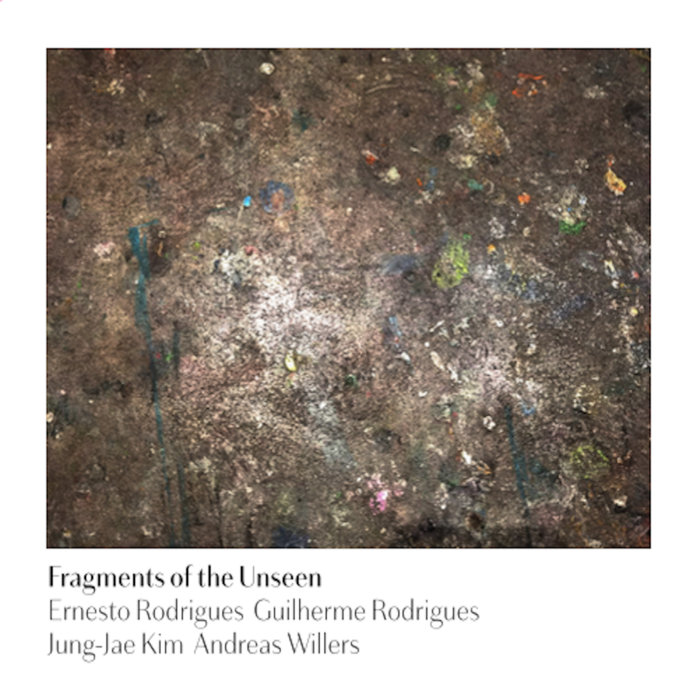
Jazz Thoughts · 21 April 2026
Describes nineteen short acoustic quartet improvisations as a sequence of carefully shaped gestures, combining quiet resonance, emerging textures and a sense of sculpted time.
Salt Peanuts · original link not yet located
Highlights the quartet’s concise, restrained approach: subtle string resonances, breathing and bowing techniques, patient interaction and the tension between sound and silence.
Orynx
Reads the nineteen short improvisations as fleeting studies in resonance, silence and passing musical time.
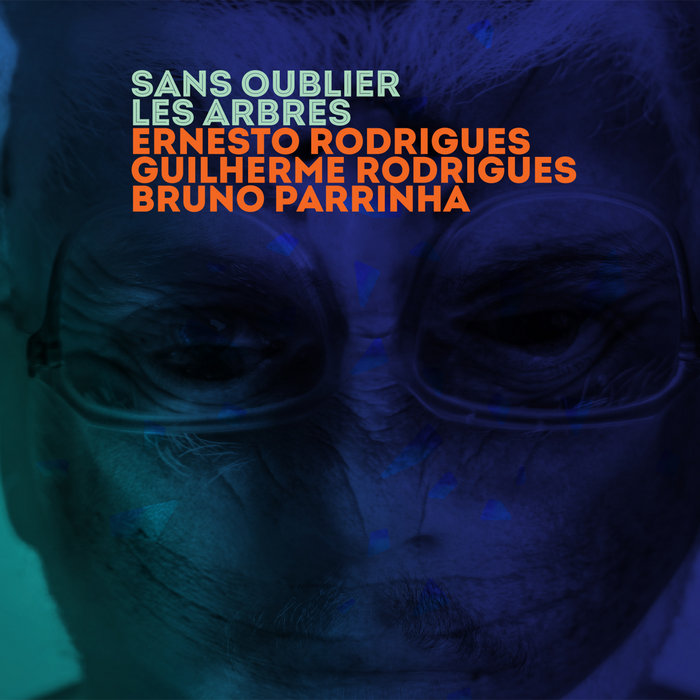
Jazz Thoughts
Discusses a nature-inspired clarinet-and-strings trio, hearing three movements grow from quiet beginnings into richer, branching counterpoint.
Trybuna Muzyki Spontanicznej
Explores the changing interplay of Bruno Parrinha’s clarinets with viola and cello, from delicate phrases to more dramatic collective textures.
Independent commentary
Praises the four-part string-trio suite as an essential expression of the Rodrigues approach to improvised chamber music.
MusicZoom
Discusses a tightly coordinated string trio linking European chamber music and exploratory bowing with waves of collective intensity.
Jazz.pt
Reviews the live Cosmos Campolide performance, highlighting dialogue, extended techniques and the expressive evolution of the four-part suite.
JazzWord
Examines the trio’s shifting counterpoint, percussive bowing and interplay between dissonance and lyricism.
Orynx
Explores the infinite variety of string colours, spontaneous counterpoint and the group’s exceptionally close listening.
Jazz Thoughts
Considers the interplay of strings and saxophones, framing the four movements as a contemporary improvised chamber-music form.
Independent commentary
Celebrates the quintet’s synthesis of free improvisation, minimalism, free jazz and contemporary chamber music.

Independent commentary
Highlights Quentin Tolimieri’s exposed piano lines and the quartet’s restrained, lyrical exchanges across six pieces.
Jazz Thoughts
Places the quartet’s concert in relation to dis/con/sent, finding a more tender, spacious and classically inflected improvisational language.
Trybuna Muzyki Spontanicznej
Follows the concert’s three improvisations from finely articulated string textures to pizzicato, drones and unexpectedly intense collective passages.
Jazz Thoughts
Describes the Isotope Ensemble’s gradual transformation from minute gestures to an ominous, powerful collective climax.
The Squid’s Ear
Examines the work’s extreme dynamic range and the difficulty of distinguishing individual sounds within its richly detailed large-ensemble textures.
Independent commentary
Highlights the quintet’s vigorous collective playing and the balance of string instruments and José Oliveira’s percussion.
Jazz Thoughts
Considers the work’s relationship with the European free-jazz tradition and its unusually rhythmic, almost groove-oriented energy.
Jazz.pt
Situates the live recording within the evolution of improvised chamber music, noting its physical gestures and free-jazz heritage.
Orynx
Examines the intricate timbral conversation of the four string players and percussion, stressing their collective attentiveness.
FreeForm / FreeJazz
Discusses the quintet’s mature ensemble balance and the expressive possibilities added by percussion.
Bodyspace.net
Reviews the Berlin sextet’s fluid exchange between strings and winds, its swift changes of direction and highly interactive improvisation.
The Squid’s Ear
Explores the septet of pieces as a cinematic, sometimes chamber-music-like sequence of changing instrumental gestures.
Orynx
Explores the extended bowing techniques, dense drones and gradually transforming string colours of the quartet.
The Free Jazz Collective
Describes the subtle transformation of sound and intensity across two long improvisations, resisting simple minimalist categorization.
Jazz Thoughts
Considers the trio’s nine concise studies in acoustic interaction, contrapuntal exchange and string timbre.
Independent commentary
Highlights the father-and-son trio with Alexander Frangenheim, relating the string techniques to contemporary chamber-music traditions.

Vital Weekly · no. 375
Finds a precisely balanced group improvisation built from tiny scratches, pizzicato fragments and internal-piano sounds; praises the quartet’s ability to sustain tension without escalating to noise.
Touching Extremes
Applauds the musicians’ intuitive coordination and the bare texture of strings, piano interiors and percussion, treating the silences as part of a richly detailed sound world.
Absurd
Describes a high-level quartet improvisation where the familiar Rodrigues–Oliveira nucleus is expanded by Manuel Mota’s electric guitar.
JL
Highlights economy of gesture, tightly controlled energy and the refusal of a rigid lowercase orthodoxy, arguing that the record achieves a particularly clear sonic language.
Kathodik
Examines the three improvisations as contrasting movements of quietness, collision and synthesis, with particular attention to the interplay of Manuel Mota and José Oliveira.
Paris Transatlantic
Situates Assemblage in the growing Portuguese experimental scene and praises its nuanced restraint, John Stevens-like percussion and finely counterpointed dialogue of strings and guitar.
AllMusic Guide
Discusses the change in the established trio’s sound after Manuel Mota’s arrival, contrasting his sparse guitar contributions with suddenly active textures and Oliveira’s inside-piano playing.
The Wire
Praises the quartet’s distinctive instrumental timbres, finely judged dynamics and contemporary-music understanding, noting the unusual intimacy of its 38-minute exploration.
Altremusiche
Values the precise recording and sensitive colouration of the bowed strings but questions whether the improvisations sometimes linger too long in a subdued sound world.
Jazz Weekly · accessible on Jazzword (2003)
Reviews Assemblage alongside nmperign and Günter Müller, exploring the quartet’s scraped strings, prepared piano, occasional trumpet and tension between minimalism and force.
TomaJazz
Places the quartet in a growing Portuguese electroacoustic improvisation scene and praises the three focused pieces for taking risks without overextending the album.
Neo-Zine
Treats the three-part album as an excursion into ambient minimalism, tiny gestures and abrupt sounds emerging from near-silence.
Bagatellen
Considers the improvisers’ balance between restraint and activity, reflecting on the role of Manuel Mota’s guitar, José Oliveira’s preparations and the Rodrigueses’ fragile strings.
Oro Molido
Emphasizes the musicians’ subtle rhythmic decisions and Feldman-like restraint, framing the music as spontaneous collective construction.
Gaz-eta / Vivo.pl
Interprets the recording as an assemblage of rough but carefully balanced instrumental sounds, finding warmth and clarity even at moments of friction and noise.
Metamkine
Summarizes the work’s highly reduced, static improvisations as fleeting fragments of sound collected from silence.

NewJazzImprov
Highlights the quartet’s subtle treatment of silence, the unusual instrumental palette and the cinematic perspective evoked by the album title.
AllMusic Guide
Considers this an unconventional reimagining of string quartet playing, stressing the intimate recording, abstract sound and non-chronological arrangement of six cuts.
Touching Extremes
Describes a nocturnal, elusive world of rubbing wood and metal, in which minute sonic events gradually gain a vivid physical presence.
JL
Argues that the quartet radically expands the chamber-string format through prepared guitar, inside piano, micro-gestures and concentrated ensemble interaction.
Sands-Zine
Focuses on the album’s low-angle cinematic concept, non-standard string techniques, abrasive textures and changing balance of sound and silence.
Paris Transatlantic · July 2004
Discusses the quartet’s highly responsive use of Lachenmann-related instrumental techniques within free improvisation and praises the subtlety of its six pieces.
Neo-Zine
Praises the intensity of minimalist collective improvisation and the transformation of piano strings and other familiar instruments into unfamiliar sound sources.
All Jazz
Connects the low-angle photographic concept to the quartet’s originality and compares its concentrated timbral exploration with twentieth-century string quartet writing.
One Final Note · archived by critic on Jazzword (2004)
Reviews this quartet alongside an Australian string-led improvising ensemble, emphasising pointillist bow work, microscopic sounds and the unusual ordering of six cuts.
TomaJazz
Places this unorthodox string quartet within Portuguese electroacoustic improvisation and discusses its juxtaposition of friction, silence and unruly instrumental gestures.
Vital Weekly · no. 452
Finds the music darker and more introverted than the related album Dorsal, identifying moments of fascination amid the quartet’s radical, silence-oriented textures.
Bagatellen
Describes austere, consistently quiet improvisations made of scratches, soft rustlings and gestures that suggest a fresh perspective on the string quartet.
Improjazz
Emphasizes the musicians’ patient transformation of silence into resonance, treating the instruments as newly discovered sound bodies.
Metamkine
Notes the tension in a vast world of strings manipulated in every direction, extending the colour of chamber orchestration.
ImprovSpheres
Examines the quartet’s use of extended techniques and the unusual balance between abrasive textures, instrumental independence and non-idiomatic improvisation.

Vital Weekly · no. 460
Finds the music remarkably acoustic despite the computer, stressing instruments as physical objects and the final track’s expanded electronics.
Diapazon
Follows the seven angularly titled pieces as a circular journey through carefully balanced string friction, clarinet breaths and electronic noises.
Touching Extremes
Imagines a claustrophobic soundscape in which unstable laptop tones, fragmented arco gestures and icy clarinet textures become a charged quartet interplay.
Paris Transatlantic
Highlights the densely detailed recording, Thieke’s intimate clarinet and the quartet’s move from extreme quiet to a more eventful field of soft noise.
JL
Describes collective improvisation without soloist hierarchy, noting Carlos Santos’s discreet integration of electronics and the ensemble’s controlled sound economy.
Neo-Zine
Hears expressive abstraction in sparse sound gestures and argues that the interaction among musicians, sounds and listener is central to the album.
Jazz.pt
Examines the circular track names and how live electronics extend unstable textures, with listening and intuition governing the quartet’s collective motion.
Improjazz
Compares the direct, detailed recording of subtle noises with other electroacoustic improvisations, finding a dynamic and percussive quartet.
Improv.hu
Considers the acoustic timbral improvisation, circular concept and electronic undercurrent while questioning whether this already established language breaks new ground.
Eureka!
Praises the group’s attention to instrumental materiality and texture rather than pitch, describing non-linear stories unfolding in the present.
Signal to Noise
Hears a compelling landscape of breath, arco and metallic noise, underlining the subtle destabilising interventions of Carlos Santos’s electronics.
Jazz e Arredores · April 2006 archive
Reads the numbered circle as a model of space and time and praises the attentive handling of microscopic sonic events.
Metamkine
Offers a concise judgement of finely chiseled, material-focused music, where sonic matter takes precedence over linear development.
Bad Alchemy
Relates the extended techniques of two strings, clarinet and electronics to a dense web of tactile sound, recalling Lachenmann’s instrumental exploration.
Bodyspace
Discusses the balance of minimal forms and intermittent sustained noise in the seven movements, with acoustic and electronic players closely interwoven.
Touching Extremes
Observes the close dialogue of trombone and strings, from harmonics and friction to liquid-like air sounds, valuing the ensemble’s focused listening.
Chain DLK
Describes a warm, spacious and slow electroacoustic conversation, contrasting the first piece’s restraint with the more incisive second suite.
The Watchful Ear
Praises intricate, brittle textures and generous space, connecting the two improvisations to the precision and jagged shape of Japanese calligraphy.
Bodyspace
Notes how Toshihiro Koike’s trombone brings new colours to the Rodrigues duo and how two extended improvisations allow exploration without haste.

Jazz e Arredores
Investigates the quintet's microscopic sonorities, the role of silence and the constant passage between individual sonic particles and the overall ensemble picture.
Vital Weekly · no. 530
Describes the tension created when five musicians continually switch between treating their instruments as sound-producing objects and playing them more conventionally.
Touching Extremes
Celebrates the suite's finely tuned interactions, in which acoustic and electronic textures are transformed into a coherent collective sound field.
Diapazon
Approaches the eight improvisations as experiments in motion, hearing patient change, delicate textures and an unusual balance between instrument and object.
Bagatellen
Highlights the tension between strings and percussion on one side and Oren Marshall's tuba and Carlos Santos's electronics on the other as the suite intensifies.
Chain DLK
Praises the animated, finely coordinated collective performance, contrasting breath-like sounds and electronic hiss with the tuba's lower-register presence.
Metamkine
Offers a concise appreciation of the slow and precise fusion of acoustic and electronic sound materials.
Bodyspace
Discusses the interplay of electronic interventions, unconventional instrumental textures and Oren Marshall's tuba, which adds density to the quintet.
Monsieur Délire
Finds the improvisations drier and more scattered than some other Creative Sources releases, and less capable of sustaining their air of mystery.
ImprovSphere
Recognises the group's radical technical exploration but questions the form and expressive development of these austere, texture-oriented pieces.

Jazz e Arredores
Examines the nine short pieces as an intricate electroacoustic web of reed, string and electronic gestures, characterised by continuous micro-variation.
Vital Weekly · no. 548
Praises an intense, closely miked quartet that treats instruments as objects, alternating quasi-electronic sounds with more recognisable acoustic playing.
Paris Transatlantic · December 2006
Follows the suite's diverse movements through fragile drones, discrete electronics, microtonal details and a shifting balance between accumulation and subtraction.
Modisti
Uses a desert-landscape metaphor to evoke earthy, loosely woven textures whose slow development opens a heightened perception of tiny events.
Metamkine
Describes nine concentrated electroacoustic encounters in which apparent calm conceals dynamic and dry, subtly agitated exchanges.
Chain DLK
Notes the fragmented exchanges, some almost modal moments and the precise recording that makes each small sonic gesture identifiable.
Bodyspace
Frames the album through Wade Matthews's colour-related liner notes and values the group's restrained, collective improvisation over individual display.

Vital Weekly · no. 548
Describes a vibrant, hectic quartet in which scraped strings, electric guitar and breath-driven wind sounds form a tense, breathless exchange.
Paris Transatlantic · December 2006
Examines the three pieces' low snarls, string harmonics and unstable counterpoint, especially Sharif Sehnaoui's electric guitar and the charged use of silence.
Modisti
Describes a friction-rich dialogue shaped by contrasting instrumental techniques, recurring silences and gradually broken waves of sound.
Gaz-Eta
Praises the Portuguese-Lebanese quartet's carefully woven textures and the patient listening that reveals intimacy and subtle harmony beneath abrasive sounds.
Metamkine
Evokes a restless world of scraping, squeaking and whistling gestures unfolding through suspended time.
Dusted
Draws attention to Sharif Sehnaoui's metallic guitar and Guilherme Rodrigues's pocket trumpet within the ensemble's blended yet tense sonic palette.
Sands Zine
Appreciates the quartet's restraint and teamwork, while questioning whether the musical language breaks far enough from familiar electroacoustic conventions.
Bodyspace
Discusses the collaboration between the Rodrigues and Sehnaoui families as a thicker and rougher improvisation, with notable spatial depth in the third track.
ImprovSphere
Analyses three tense and texture-focused collective improvisations, noting their lack of a leading voice and the wealth of interacting micro-events.
Paris Transatlantic
Examines silence and restraint and extended string technique across the improvised performance.
Chain DLK
Discusses the recording's recording space, with attention to ensemble interplay.
Improjazz
Considers the ensemble's treatment of extended string technique and wind-instrument gestures.
Metamkine
Reflects on group improvisation in relation to musical form.
Just Outside
Examines extended string technique and wind-instrument gestures across the improvised performance.
Monsieur Délire
Discusses the recording's form and pacing, with attention to silence and restraint.
Le Son du Grisli
Considers the ensemble's treatment of wind-instrument gestures and wind-instrument gestures.
Independent commentary
Reflects on recording space in relation to density and dynamics.
Bodyspace
Examines extended string technique and ensemble interplay across the improvised performance.
Jornal Público
Discusses the recording's form and pacing, with attention to ensemble interplay.
Jazz.pt
Considers the ensemble's treatment of ensemble interplay and ensemble interplay.
O Zurret d'Artal
Reflects on form and pacing in relation to form and pacing.
Revista OP
Examines ensemble interplay and form and pacing across the improvised performance.
Bad Alchemy
Discusses the recording's form and pacing, with attention to electroacoustic textures.
Touching Extremes
Considers the ensemble's treatment of ensemble interplay and form and pacing.
The Wire
Reflects on ensemble interplay in relation to form and pacing.
Diapazon
Examines ensemble interplay and form and pacing across the improvised performance.
The Watchful Ear
Examines ensemble interplay and ensemble interplay across the improvised performance.
Just Outside
Discusses the recording's ensemble interplay, with attention to recording space.
Monsieur Delire
Considers the ensemble's treatment of ensemble interplay and form and pacing.
Independent commentary
Reflects on extended string technique in relation to percussion and pulse.
The Squid’s Ear
Examines recording space and recording space across the improvised performance.
Diapazon
Discusses the recording's density and dynamics, with attention to ensemble interplay.
Improjazz
Considers the ensemble's treatment of ensemble interplay and ensemble interplay.
Temporary Fault
Reflects on form and pacing in relation to recording space.
JazzWord
Examines ensemble interplay and form and pacing across the improvised performance.
Boa Melody Bar
Discusses the recording's form and pacing, with attention to extended string technique.
All About Jazz
Considers the ensemble's treatment of recording space and ensemble interplay.

Metamkine
Examines musical form and group improvisation across the improvised performance.
Independent commentary
Discusses the recording's electroacoustic textures, with attention to electroacoustic textures.
Temporary Fault
Considers the ensemble's treatment of timbre and sound materials and recording space.
Jazz e Arredores
Reflects on electroacoustic textures in relation to recording space.
Independent commentary
Examines silence and restraint and wind-instrument gestures across the improvised performance.

Independent commentary
Examines electroacoustic textures and extended string technique across the improvised performance.
Just Outside
Discusses the recording's extended string technique, with attention to extended string technique.
Bad Alchemy
Considers the ensemble's treatment of extended string technique and timbre and sound materials.
Touching Extremes
Reflects on percussion and pulse in relation to percussion and pulse.
Bodyspace
Examines extended string technique and extended string technique across the improvised performance.

Metamkine
Examines density and dynamics and density and dynamics across the improvised performance.
Independent commentary
Discusses the recording's wind-instrument gestures, with attention to wind-instrument gestures.
Just Outside
Considers the ensemble's treatment of wind-instrument gestures and percussion and pulse.
Improjazz
Reflects on ensemble interplay in relation to percussion and pulse.
Bad Alchemy
Examines extended string technique and wind-instrument gestures across the improvised performance.
Free Jazz
Discusses the recording's percussion and pulse, with attention to extended string technique.
Signal to Noise
Considers the ensemble's treatment of recording space and percussion and pulse.
Temporary Fault
Reflects on wind-instrument gestures in relation to percussion and pulse.
Diapazon
Examines ensemble interplay and form and pacing across the improvised performance.
Bodyspace
Discusses the recording's wind-instrument gestures, with attention to extended string technique.
ImprovSphere
Considers the ensemble's treatment of silence and restraint and wind-instrument gestures.
Independent commentary
Examines electroacoustic textures and extended string technique across the improvised performance.
Just Outside
Discusses the recording's percussion and pulse, with attention to form and pacing.
Bad Alchemy
Considers the ensemble's treatment of extended string technique and wind-instrument gestures.
Le Son du Grisli
Reflects on wind-instrument gestures in relation to percussion and pulse.
Touching Extremes
Examines ensemble interplay and extended string technique across the improvised performance.
The Watchful Ear
Discusses the recording's percussion and pulse, with attention to extended string technique.
Diapazon
Considers the ensemble's treatment of musical form and group improvisation.
ImprovSphere
Reflects on timbre and sound materials in relation to percussion and pulse.

Just Outside
Examines recording space and recording space across the improvised performance.
Monsieur Delire
Discusses the recording's electroacoustic textures, with attention to extended string technique.
The Watchful Ear
Considers the ensemble's treatment of recording space and percussion and pulse.
All Music Guide
Reflects on percussion and pulse in relation to density and dynamics.
Touching Extremes
Examines percussion and pulse and form and pacing across the improvised performance.
All About Jazz
Discusses the recording's percussion and pulse, with attention to electroacoustic textures.
ImprovSphere
Considers the ensemble's treatment of percussion and pulse and form and pacing.
MelodyBar
Examines extended string technique and density and dynamics across the improvised performance.
The Watchful Ear
Discusses the recording's form and pacing, with attention to extended string technique.
Jazz.pt
Considers the ensemble's treatment of extended string technique and form and pacing.
Just Outside
Reflects on form and pacing in relation to extended string technique.
Monsieur Délire
Examines timbre and sound materials and recording space across the improvised performance.
Bodyspace
Discusses the recording's ensemble interplay, with attention to extended string technique.
Touching Extremes
Considers the ensemble's treatment of extended string technique and extended string technique.
Chain DLK
Reflects on form and pacing in relation to silence and restraint.
ImprovSphere
Examines extended string technique and extended string technique across the improvised performance.

The Squid's Ear
Examines wind-instrument gestures and timbre and sound materials across the improvised performance.
Monsieur Délire
Discusses the recording's timbre and sound materials, with attention to form and pacing.
Chain DLK
Considers the ensemble's treatment of extended string technique and recording space.
Le Son du Grisli
Reflects on form and pacing in relation to wind-instrument gestures.
ImprovSphere
Examines wind-instrument gestures and timbre and sound materials across the improvised performance.

Independent commentary
Examines timbre and sound materials and ensemble interplay across the improvised performance.
Just Outside
Discusses the recording's extended string technique, with attention to recording space.
Monsieur Délire
Considers the ensemble's treatment of extended string technique and recording space.
The Watchful Ear
Reflects on form and pacing in relation to silence and restraint.
Free Jazz
Examines percussion and pulse and silence and restraint across the improvised performance.
Improv Sphere
Discusses the recording's wind-instrument gestures, with attention to wind-instrument gestures.
Le Son du Grisli
Considers the ensemble's treatment of percussion and pulse and percussion and pulse.

Orynx-improv'andsounds
Examines timbre and sound materials and ensemble interplay across the improvised performance.
Just Outside
Discusses the recording's electroacoustic textures, with attention to extended string technique.
Monsieur Délire
Considers the ensemble's treatment of ensemble interplay and electroacoustic textures.

Avant Music News
Examines electroacoustic textures and extended string technique across the improvised performance.
The Squid's Ear
Discusses the recording's electroacoustic textures, with attention to recording space.
Jazz.pt
Considers the ensemble's treatment of musical form and group improvisation.
ImprovSphere
Reflects on silence and restraint in relation to extended string technique.
Monsieur Delire
Examines extended string technique and form and pacing across the improvised performance.
Bodyspace
Discusses the recording's percussion and pulse, with attention to electroacoustic textures.
Jazz.pt
Examines electroacoustic textures and timbre and sound materials across the improvised performance.
Avant Music News
Discusses the recording's extended string technique, with attention to wind-instrument gestures.
Monsieur Delire
Considers the ensemble's treatment of wind-instrument gestures and form and pacing.
Bodyspace
Reflects on electroacoustic textures in relation to extended string technique.
Chain DLK
Examines electroacoustic textures and wind-instrument gestures across the improvised performance.
Percorsi Musicali
Examines silence and restraint and extended string technique across the improvised performance.
Le Son du Grisli
Discusses the recording's wind-instrument gestures, with attention to extended string technique.
Bodyspace
Considers the ensemble's treatment of timbre and sound materials and extended string technique.
Chain DLK
Reflects on extended string technique in relation to wind-instrument gestures.
Jazz.pt
Examines wind-instrument gestures and form and pacing across the improvised performance.

AMN Reviews
Examines extended string technique and recording space across the improvised performance.
Bodyspace
Discusses the recording's ensemble interplay, with attention to extended string technique.
Just Outside
Considers the ensemble's treatment of ensemble interplay and silence and restraint.
Le Son du Grisli
Reflects on ensemble interplay in relation to ensemble interplay.
Jazz.pt
Examines ensemble interplay and form and pacing across the improvised performance.

Just Outside
Examines silence and restraint and recording space across the improvised performance.
Le Son du Grisli
Discusses the recording's ensemble interplay, with attention to ensemble interplay.
Jazz.pt
Considers the ensemble's treatment of ensemble interplay and form and pacing.
Chain DLK
Reflects on recording space in relation to ensemble interplay.

Jazz.pt
Examines musical form and group improvisation across the improvised performance.

Jazz.pt
Examines electroacoustic textures and electroacoustic textures across the improvised performance.

Jazz.pt
Examines ensemble interplay and form and pacing across the improvised performance.
orynx
Discusses the recording's wind-instrument gestures, with attention to ensemble interplay.
Chain DLK
Considers the ensemble's treatment of form and pacing and recording space.

Jazz.pt
Examines silence and restraint and silence and restraint across the improvised performance.
Orynx
Discusses the recording's group improvisation, with attention to musical form.
Chain DLK
Considers the ensemble's treatment of density and dynamics and form and pacing.

Jazz.pt
Examines musical form and group improvisation across the improvised performance.
Orynx
Discusses the recording's wind-instrument gestures, with attention to percussion and pulse.
Orynx
Considers the ensemble's treatment of percussion and pulse and form and pacing.

Jazz.pt
Examines silence and restraint and timbre and sound materials across the improvised performance.

Jazz Thoughts
Examines electroacoustic textures and extended string technique across the improvised performance.
Chain DLK
Discusses the recording's group improvisation, with attention to musical form.

Jazz.pt
Examines silence and restraint and silence and restraint across the improvised performance.
Fouter & Swick
Discusses the recording's ensemble interplay, with attention to form and pacing.
HisVoice
Considers the ensemble's treatment of extended string technique and extended string technique.
Skug
Reflects on group improvisation in relation to musical form.
Touching Extremes
Examines extended string technique and density and dynamics across the improvised performance.
Jazz Thoughts
Discusses the recording's form and pacing, with attention to recording space.
The Free Jazz Collective
Considers the ensemble's treatment of timbre and sound materials and recording space.

Improv.hu
Examines musical form and group improvisation across the improvised performance.

The Free Jazz Collective
Examines timbre and sound materials and ensemble interplay across the improvised performance.
Jazz.pt
Discusses the recording's ensemble interplay, with attention to form and pacing.
Orynx
Considers the ensemble's treatment of ensemble interplay and silence and restraint.

Orynx
Examines timbre and sound materials and ensemble interplay across the improvised performance.
The Free Jazz Collective
Discusses the recording's recording space, with attention to ensemble interplay.
Jazz.pt
Considers the ensemble's treatment of electroacoustic textures and electroacoustic textures.
The Squid's Ear
Examines timbre and sound materials and ensemble interplay across the improvised performance.
Jazz Thoughts
Discusses the recording's recording space, with attention to density and dynamics.

Orynx
Examines extended string technique and extended string technique across the improvised performance.

Jazz.pt
Examines extended string technique and timbre and sound materials across the improvised performance.
O Cafezinho
Discusses the recording's silence and restraint, with attention to silence and restraint.
Orynx
Considers the ensemble's treatment of silence and restraint and recording space.
Jazz Thoughts
Reflects on extended string technique in relation to wind-instrument gestures.
The Squid’s Ear
Examines form and pacing and silence and restraint across the improvised performance.

Vital Weekly
Examines electroacoustic textures and extended string technique across the improvised performance.
The Sound Projector
Discusses the recording's electroacoustic textures, with attention to extended string technique.

World of Abstract Dreams
Examines extended string technique and extended string technique across the improvised performance.
danielbarbiero.wordpress
Discusses the recording's recording space, with attention to form and pacing.

Percorsi Musicali
Examines extended string technique and wind-instrument gestures across the improvised performance.

The Free Jazz Collective
Examines extended string technique and timbre and sound materials across the improvised performance.
Jazz Thoughts
Discusses the recording's ensemble interplay, with attention to ensemble interplay.

Jazz.pt
Examines electroacoustic textures and electroacoustic textures across the improvised performance.
Independent commentary
Discusses the recording's ensemble interplay, with attention to recording space.

Jazz.pt
Examines musical form and group improvisation across the improvised performance.
Jazz Thoughts
Discusses the recording's recording space, with attention to ensemble interplay.

Avant Scena
Examines extended string technique and wind-instrument gestures across the improvised performance.
Jazz.pt
Examines form and pacing and form and pacing across the improvised performance.

The Free Jazz Collective
Examines extended string technique and timbre and sound materials across the improvised performance.
Trybuna Muzyki Spontanicznej
Discusses the recording's group improvisation, with attention to musical form.
Jazz Thoughts
Considers the ensemble's treatment of ensemble interplay and form and pacing.
Independent commentary
Reflects on percussion and pulse in relation to form and pacing.

Independent commentary
Examines electroacoustic textures and extended string technique across the improvised performance.

Independent commentary
Examines extended string technique and wind-instrument gestures across the improvised performance.

salt peanuts
Examines extended string technique and recording space across the improvised performance.
Lira
Discusses the recording's recording space, with attention to density and dynamics.
The Squid's Ear
Considers the ensemble's treatment of timbre and sound materials and density and dynamics.

The Squid's Ear
Examines electroacoustic textures and recording space across the improvised performance.
Independent commentary
Discusses the recording's recording space, with attention to density and dynamics.

Independent commentary
Examines extended string technique and recording space across the improvised performance.
Trybuna Muzyki Spontanicznej
Discusses the recording's group improvisation, with attention to musical form.
Jazz Thoughts
Considers the ensemble's treatment of percussion and pulse and form and pacing.

Independent commentary
Examines silence and restraint and electroacoustic textures across the improvised performance.
Jazz Thoughts
Examines electroacoustic textures and extended string technique across the improvised performance.
Jazz.pt
Examines musical form and group improvisation across the improvised performance.

Just Outside
Examines silence and restraint and extended string technique across the improvised performance.
Jazz Thoughts
Examines electroacoustic textures and timbre and sound materials across the improvised performance.
Independent commentary
Discusses the recording's timbre and sound materials, with attention to extended string technique.
Citizen Jazz
Considers the ensemble's treatment of form and pacing and extended string technique.

Jazz Thoughts
Examines silence and restraint and extended string technique across the improvised performance.
The Squid's Ear
Discusses the recording's extended string technique, with attention to timbre and sound materials.
Independent commentary
Considers the ensemble's treatment of percussion and pulse and density and dynamics.

Independent commentary
Examines silence and restraint and recording space across the improvised performance.

Jazz Thoughts
Examines silence and restraint and ensemble interplay across the improvised performance.
Independent commentary
Discusses the recording's ensemble interplay, with attention to recording space.
The Free Jazz Collective
Considers the ensemble's treatment of density and dynamics and ensemble interplay.

Independent commentary
Discusses the IKB Ensemble's ensemble language in its final pre-pandemic recordings, attending to how expansive textures emerge from collective interaction.

Independent commentary
Assesses a live Suspensão Ensemble performance at CreativeFest XIII, praising its adventurous collective energy and the consonance of diverse instruments.

Trybuna Muzyki Spontanicznej
Examines archival Brazilian field recordings and electronic tapes in dialogue with viola, cello and double bass, as well as the meeting of two generations.
Independent commentary
Reflects on the intergenerational nature of the project, in which tapes from Brazil in the 1970s meet string improvisation in a spacious electroacoustic work.

Trybuna Muzyki Spontanicznej
Explores fourteen short chamber-oriented improvisations by tenor saxophone, cello and double bass, noting the dialogue between free jazz and attentive collective playing.

Trybuna Muzyki Spontanicznej
Discusses the meeting of bowed strings with trumpet and trombone, tracing its patient construction of contrasting chamber-music textures.
Independent commentary
Praises a four-part suite combining the Rodrigues family's string language with Brad Henkel's trumpet and Matthias Müller's trombone.

Independent commentary
Considers a Lisbon live recording by viola, cello and clarinets, highlighting its concise chamber-music dialogue and exploratory textures.

Independent commentary
Looks back at a string-quartet session and its distinctive ensemble roles, placing the recording within the artist's recent catalogue.

The Squid's Ear
Appreciates eleven concise sound paintings that weave saxophone, strings and percussion through sparseness, quick changes and brief collective surges.

Passos na Floresta
Describes the trio of Carlos Bechegas and the Rodrigues musicians as a labyrinthine encounter of flute and bowed strings, evoking hidden structures and natural imagery.

Orynx
Explores the expressive range of clarinet and bowed strings, from austere chamber textures to lyrical and turbulent improvisatory gestures.

Independent commentary
Highlights the long opening improvisation and the interplay of Frank Gratkowski's clarinets with the Rodrigues duo and Michael Griener's drums.
Orynx
Praises the Berlin quartet's carefully balanced dialogue between clarinet, strings and percussion, shifting between restraint and animated textures.

The Squid's Ear
Praises the succinct large-ensemble improvisation, observing how sixteen players preserve individual motifs within a constantly transforming collective texture.

Bad Alchemy
Documents the unusual Hanover encounter of electric guitar, zither, electronics, voice, viola and cello, and its free-improvisation approach.
Jazz Thoughts
Reflects on the album's enigmatic character and the changing pace of Ernesto and Guilherme Rodrigues' discography.
Orynx
Explores the surprising meeting of Agogol, NaabtalDeath and the Rodrigues duo, focusing on instrumental textures and adventurous group dialogue.

Orynx
Celebrates the three-string improvisations of Carlos Zingaro and the Rodrigues duo, hearing continuously changing bowing gestures and expressive nuance.

Orynx
Praises the daring quintet's interplay of prepared piano, saxophone, daxophone, viola and cello, with unpredictable changes and striking contrasts.

AllMusic Guide
Highlights the quartet's refined interplay, the subtle role of the prepared piano and the intensity found within sparse, nearly silent passages.
Jazz Weekly · review available on Jazzword (2002)
In a comparative review of early Creative Sources releases, describes Ficta as the strongest session, emphasizing the six Nihil improvisations and Gabriel Paiuk's percussive piano work.
Touching Extremes
Praises the introspective movement from silence back to silence and the discreet dissonant counterpoint of the four improvisers.
Vital Weekly
Finds a richly nuanced, microtonal collective sound, marked by careful listening, restrained dynamics and unusually productive silences.
Altremusiche
Appreciates the six highly controlled improvisations and detailed recording while questioning whether the quartet's reductionism creates emotional distance.
TomaJazz
Connects the six collective improvisations to historical musica ficta, finding originality in the movement between stillness and sonic invention.
Paris Transatlantic
Finds the six medium-length Nihil improvisations colourful and well-structured, comparing their proportions favourably with other early Creative Sources recordings.
Bad Alchemy
Discusses the reduction of sound toward near-silence through sfumato-like textures, while questioning whether these post-avant-garde gestures remain truly exploratory.
Independent Electronic Music
Considers the album a concentrated, atonal exploration of extended instrumental practice and the expressive freedom afforded by Cagean silence.
Kathodik
Values the quartet's technical control and high-quality recording but finds the emotional contrast and unpredictability less fully developed.
Absurd
Praises the musicians' ability to let gestures arise from and return to silence, describing their six Nihil pieces as an absorbing, Zen-like improvisation.
Improjazz
Treats Ficta as an intellectually provocative experiment in radical musical reduction, questioning its insistence on quietness and restricted musical parameters.
NewJazzImprov
Describes an organic yet deliberately cerebral collective encounter, with carefully calibrated contributions across six pieces titled Nihil.
Skug · 12 May 2003
Reflects critically on the contemporary improvised-music landscape, hearing both exacting instrumental precision and the danger of post-avant-garde repetition.
Oro Molido
Highlights the acoustic quartet's mature mutual listening, restrained treatment of instrumental sound and increasingly interactive final pieces.
Neural
Connects the quartet's creative methods with the historical practice of improvisation, celebrating an interdisciplinary language of contemporary acoustic sound.
Cadence
Describes six abstract improvisations shaped by silence, sudden piano eruptions, unusual cello bowing and occasional pocket trumpet.
Bagatellen
Discusses Ficta alongside Assemblage, stressing the four players' mobile roles, Gabriel Paiuk's textural piano and the suspension of a conventional pulse.
Metamkine
Condenses the album's aesthetic into a charged encounter of a Portuguese trio and an Argentine pianist, balancing tension, release and silence.
Rambles · 21 June 2003
Offers a sharply critical response to the album’s six quiet improvisations, questioning whether the prolonged silences and discontinuous sounds sustain a compelling musical experience.
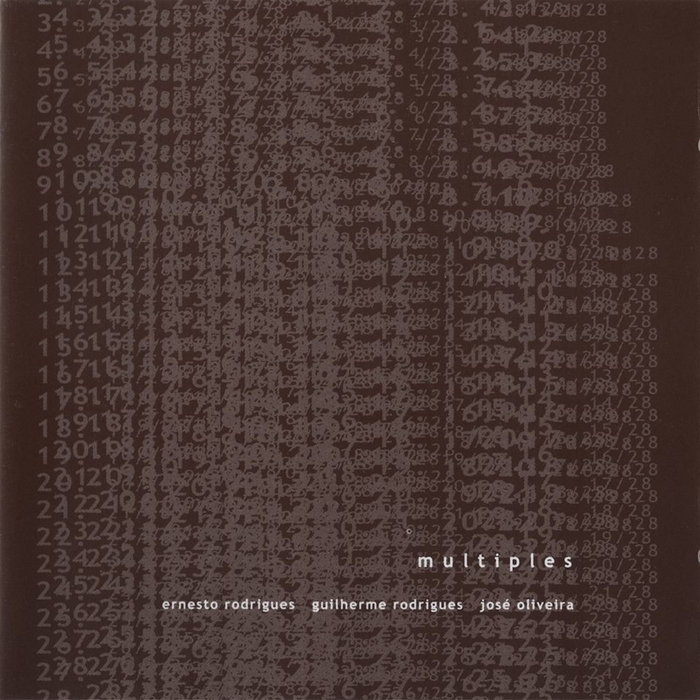
Cadence
Reviews the trio’s 28 short improvisations, varied instrumental configurations and close relationship between texture and spontaneous form.
AllMusic Guide
Highlights the intuitive, carefully coordinated free improvisation and the players’ economical use of instrumental sound.
Jazz Magazine
Explores the treatment of bowed, plucked and struck strings and the group’s departure from traditional chamber-music conventions.
Jazz Weekly · review available on Jazzword (2002)
Discusses the album’s pointillistic miniatures, their dedication to John Stevens and the trio’s free-improvisation language.
Touching Extremes
Describes a forceful series of improvisational miniatures, marked by sharp string harmonics, extreme dynamics and a visceral dialogue between the three musicians.
JL
Situates the trio’s short, constantly renewed improvisations between Webern’s miniature forms and European free jazz, emphasizing the integration of these different traditions.
All Jazz
Highlights the disc’s fragmented construction, the role of silence and the expressive richness of string instruments, percussion and occasional soprano saxophone.
Improjazz
Praises the concentration and sensitivity of the 28 miniatures, describing scraping, friction and micro-gestures that avoid repetition without losing expressive character.
Vital Weekly
Finds an intense, detailed and subtly coloured kind of non-idiomatic improvisation, in which quiet dynamics, microtonality and collective listening are central.
Fake Jazz
Considers the quartet of early Creative Sources releases together, examining how their small gestures and conceptual choices structure the short pieces of Multiples.
Cadence
Reviews the 28 concise pieces as closely connected sound experiments, emphasizing their nervous percussion, string harmonics and quickly shifting textures.
Metamkine
Emphasizes the trio’s dynamic tension, impacts and construction of complex sound objects.
Independent commentary
Regards the album as a foundational Creative Sources release, connecting its 28 improvisations with the legacy of John Cage and Anton Webern.
Absurd
Examines the album’s 28 inventive improvisational miniatures and their underlying concept of distributing ideas, pointing to how shuffle playback can continually rearrange the listening experience.
Oro Molido
Places the album between contemporary chamber music and free jazz, highlighting its short forms, acoustic experimentation, collective listening and careful balance of sound and silence.
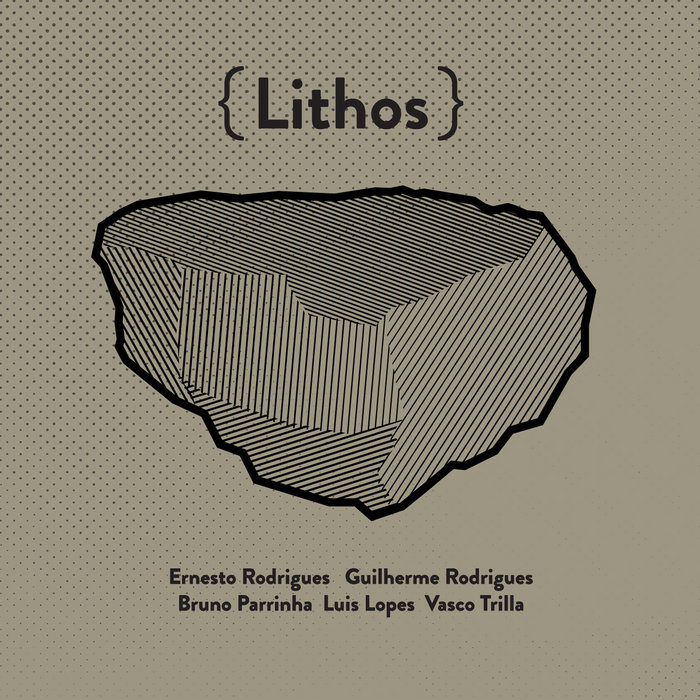
Jazz Thoughts
Examines the quintet’s austere, stone-like textures and the contribution of bass clarinet to quietly jagged string-and-percussion improvisation.
Independent commentary
Emphasizes the five musicians’ responsive listening, restrained imagination and balance between separate instrumental voices and collective form.
Jazz Thoughts
Describes the String Theory quartet’s use of plucked and bowed resonance, intricate crossing voices and a concentrated middle register.
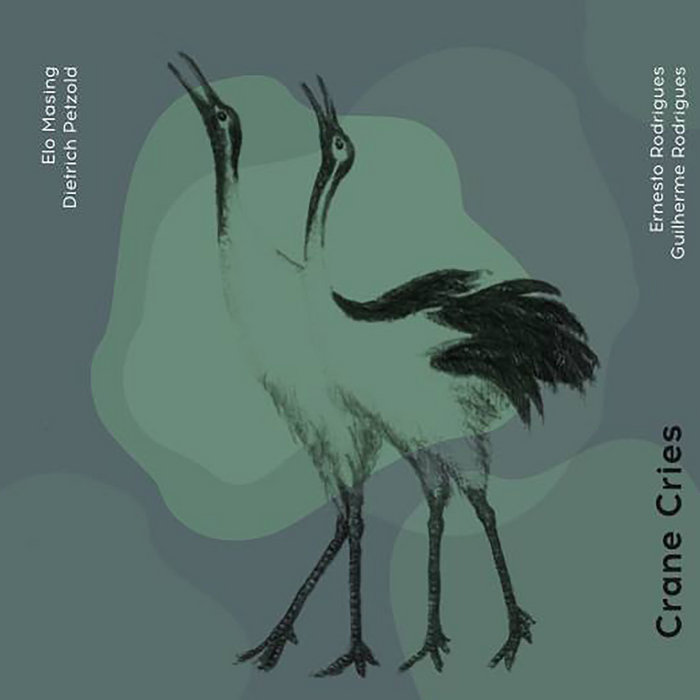
Jazz Thoughts
Considers the string quartet’s possible inspiration from crane behaviour, contrasting descriptive musical landscapes with elaborate twentieth-century string techniques.
Vital
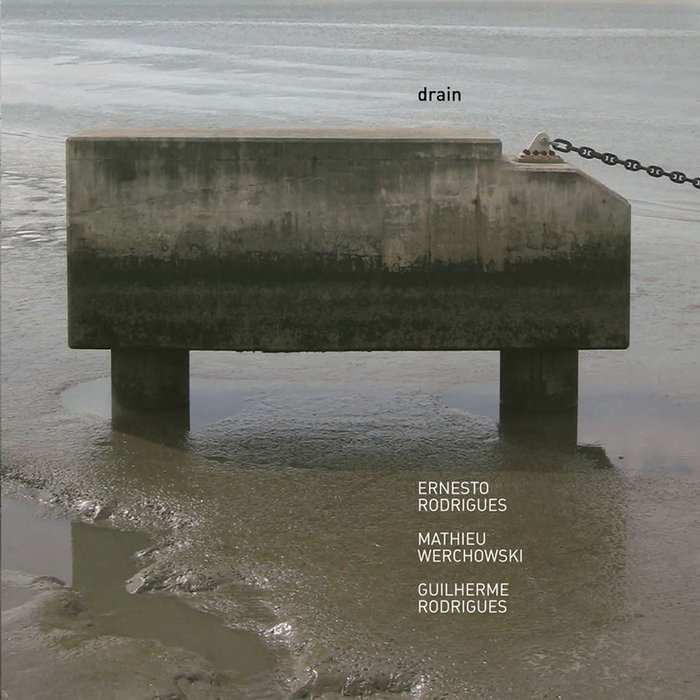
Offers a measured reading of the subdued trio, considering its extended quiet passages and restrained musical tension.
Paris Transatlantic
Describes an exuberant deconstruction of string-trio polyphony through friction, harmonic sounds, scraping and sudden changes of intensity.
La Médiathèque
Explores the trio’s material treatment of string sounds and the force of its distinctive acoustic textures.
Modisti
Discusses close observation of extended string techniques and the group’s shared timbral vocabulary.
Metamkine
Characterizes the trio as a spacious, noise-oriented form of experimental chamber music.
Bodyspace
Considers the trio’s unconventional acoustic string techniques and collective improvisational inventiveness.
ImprovSphere
Praises the four dense string improvisations for their powerful collective interplay, high tension and changing instrumental textures, in which each musician remains distinct within a shared sound.
Le Son du Grisli
Describes a trio of contrapuntal bow strokes, restless string reactions and creaking wooden resonances, in which unconventional instrumental gestures develop into a closely connected form.
Orynx · December 2011
Explores the trio’s subtle string techniques, expressive glissandi and richly tactile timbres, valuing the exchange between the Rodrigueses and violinist Mathieu Werchowski.
NewJazzImprov
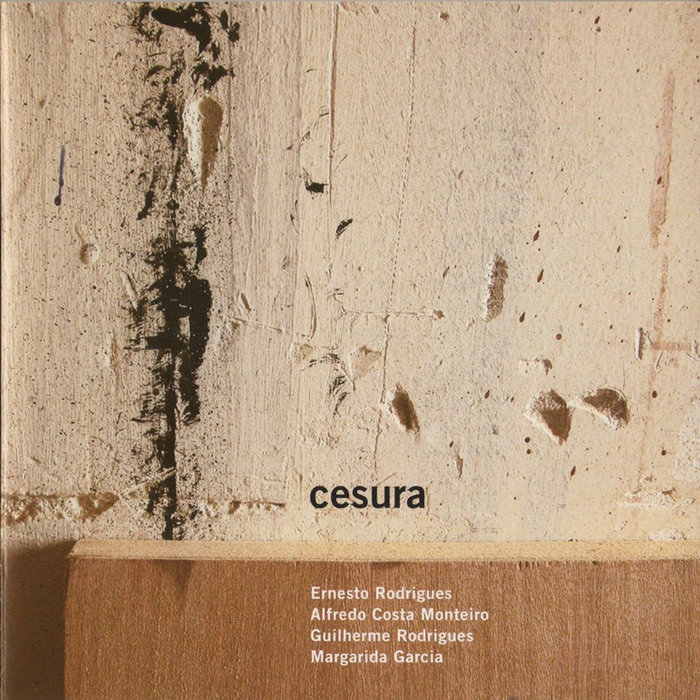
Reads the quartet's quiet, cutting string, accordion and electric-bass textures through the idea of a caesura or rupture.
Vital Weekly
Focuses on the subtle patterns the musicians create in silence, treating their instruments as unconventional sources of sound.
JL
Describes the album's extreme economy and its proximity to the European micro-improvisation scene.
AllMusic Guide
Highlights the players' critical sonic choices and the unpredictable interplay of scratching, bowing and tiny sounds.
Paris Transatlantic
Praises the recording's vivid microtonal textures, silences and dark, melancholy force.
Improjazz
Considers the quartet's fragile restraint and the emotionally charged drama of sparse acoustic sounds.
Improjazz
Discusses the close recording perspective and the contrast between rubbing, breathing and impact sounds.
Público
Reads the album through ideas of rupture, futurism, Dada and surrealism, describing an intense search for form through fragmentation, sound and silence.
Sands-Zine
Discusses the quartet’s changing balance between incisive string and trumpet sounds, restrained textures and an expansive minimalist atmosphere.
Touching Extremes
Describes the four instruments merging into a highly economical collective sound, full of minute friction, crackling textures and unexpected movement.
TomaJazz
Situates the album in the tradition of quiet free improvisation, concentrating on minute instrumental gestures and the way silence shapes its collective forms.
Heard Aside · 4 August 2008
Revisits Cesura five years after its recording, hearing a remarkably fresh and intense exploration of acoustic timbre, abrasive string textures and near-silence, outside rigid divisions between free improvisation and electroacoustic approaches.
Just Outside
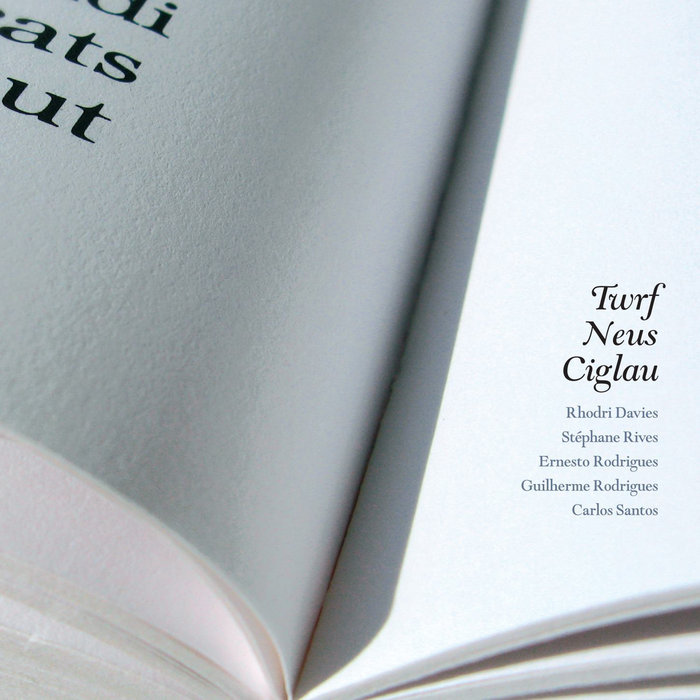
Notes the integrated use of thin drones, friction and quiet spaces, with moments of mystery and a well-paced overall form.
Independent criticism
Offers a mixed assessment of the recording's pointillistic textures and overlapping drones, comparing it with the original concert.
Monsieur Délire
Describes a restrained 34-minute improvisation in which conventional instrumental sound is largely avoided and silence remains vital.
Le Son du Grisli
Discusses the Lisbon festival performance as a shifting electroacoustic landscape of sustained tones and fleeting sonic lines.
Diapazon
Finds careful dramaturgy and constantly varied acoustic-electronic textures despite an initially familiar reductionist language.
The Squid’s Ear · 9 September 2009
Praises the quintet’s subtle electroacoustic textures, contrasting penetrating string harmonics with restrained drones and silences, and the balance achieved in a live performance.
Bodyspace
Reviews the quintet’s live improvisation as a journey between sparse acoustic interventions, dense electroacoustic atmospheres and layers of delicate noise, with a continuous balance of energy and restraint.
Improv Sphere
Highlights a slowly evolving collective soundscape of drones, harmonics, breath and extended techniques, where subtle changes in texture and attentiveness to silence keep the 34-minute performance in motion.
Independent commentary
Highlights the quartet's extended improvisations, the unusual use of Ernesto Rodrigues's harp and the atmospheric interplay with piano, cello and percussion.
Jazz.pt
Examines vibration, drones, electronic processing and the unexpected convergence of the Rodrigueses' language with more atmospheric Portuguese experimental music.
Trybuna Muzyki Spontanicznej · 22 October 2021
Discusses the two extended Solar and Lunar Eclipse performances, emphasizing the evolving interplay of harp, electronics, piano, cello and percussion.
Jazz Thoughts
Discusses the double album's studio and live sets as elaborate, impressionistic explorations of shifting polyphony and combined wind-and-string timbres.
Orynx
Examines the quartet's collective listening and its careful integration of changing clarinet, saxophone, viola and cello textures.
Jazz Thoughts · group review
Describes a three-way interaction of guitar, viola and cello, noting how bright guitar timbres contrast with the strings' earthy glissandi and pizzicato.

Jazz Thoughts · group review
Discusses the trio's analogue-synth and bowed-string interactions, hearing exploratory textures and an elusive larger musical concept.
Independent commentary
Highlights Richard Scott's analogue synthesizer as a mysterious source of tension alongside recognizable viola and cello textures.
Avant Music News
Examines the difficult task of coordinating a 46-member ensemble and praises the orchestral cohesion, movement and sonic variety.
Jazz.pt
Considers how Ernesto Rodrigues's non-deterministic conduction produces dense but coherent collective sound masses, contrasts and complementarity.
The Free Jazz Collective · 27 September 2016
Considers the 46-member orchestra’s single extended performance as a carefully controlled sequence of shifting ensemble textures, from muted instrumental murmurs to a powerful collective climax.
The Squid’s Ear · 6 March 2017
Praises the orchestral balance achieved by Ernesto Rodrigues’s conduction, tracing subtle sound layers, changing group formations, mysterious clusters and sudden bursts of collective energy.
Trybuna Muzyki Spontanicznej · June 2017
Describes the large orchestra’s electroacoustic interplay as a restless, densely layered soundscape with unexpected instrumental exchanges, growing momentum and dramatic contrasts.
The Free Jazz Collective · September 2010
Praises the quartet of Martin Küchen, Ernesto Rodrigues, Guilherme Rodrigues and Carlos Santos for its sparse, hypnotic development of sounds, with dark electronic and acoustic textures.
Kathodik · 31 December 2022
Discusses the quartet’s eight-part suite as a collision of unusual string sonorities and percussion, with a particularly forceful final movement.
JazzWord · 2 May 2023
Examines how the quartet of viola, cello, bass and percussion blends contemporary chamber playing with spontaneous, physically assertive improvisation.
Trybuna Muzyki Spontanicznej · 17 February 2023
Follows the Belgian concert from sparse, delicate gestures into intense exchanges between viola, cello, alto saxophone and acoustic guitar.
Trybuna Muzyki Spontanicznej · 19 August 2022
Traces the cello quartet’s 34-minute improvisation from near-silence and prepared sounds to dark, droning, and expressive collective passages.
Trybuna Muzyki Spontanicznej · 19 August 2022
Surveys eleven cello-and-guitar miniatures, ranging from meditative bowed drones and spare dialogue to sharp attacks and percussive textures.
The Squid’s Ear · 20 June 2023
Praises the brevity of the eleven improvisations and the duo’s adventurous timbral exploration without prolonging material beyond its expressive potential.
Trybuna Muzyki Spontanicznej · 19 August 2022
Describes a restrained electroacoustic quintet, emphasizing the piano’s flexible responses and the quiet interplay of strings, bass clarinet and electronics.
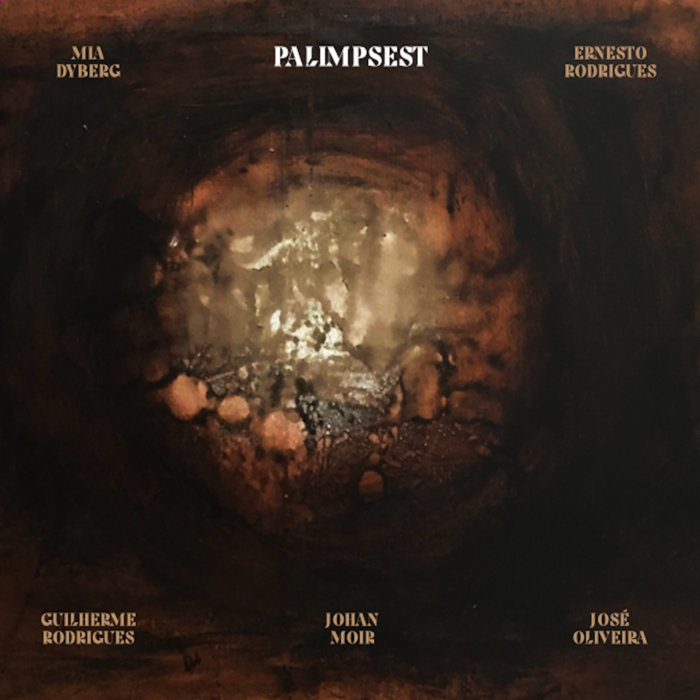
Trybuna Muzyki Spontanicznej · 4 March 2022
Examines a CreativeFest quintet improvisation in which dynamic saxophone, bass and percussion exchanges meet attentive, string-led chamber textures.
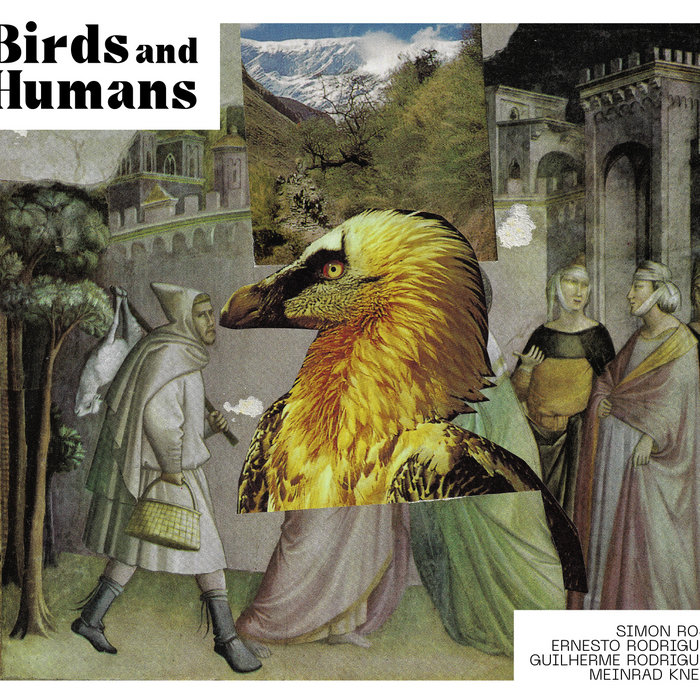
Trybuna Muzyki Spontanicznej · 4 March 2022
Describes the interaction of baritone saxophone, viola, cello and double bass, ranging from quiet chamber exchanges to vigorous free-jazz-inflected episodes.
Bad Alchemy
Describes the unusual quartet of baritone saxophone, viola, cello and double bass, noting its dense and active Berlin improvisation.
Vital Weekly
Focuses on seven spontaneous performances and the contrasting register of baritone saxophone within the three-string ensemble.
Full Circle Music Blog
Praises the vivid, unedited studio interaction of four improvisers across seven pieces of contrasting durations.
Orynx
Celebrates the combination of Simon Rose's baritone saxophone with the strings, particularly its changing timbres and group energy.
Kulturní Magazín
Introduces the Portuguese string players' Berlin collaboration with Simon Rose and Meinrad Kneer, attending to the quartet's instrumental character.
Nieuwe Noten
Examines the low-register combination of baritone saxophone and three strings and its possibilities for microtonal interaction.

Trybuna Muzyki Spontanicznej · 4 March 2022
Highlights Lígia Liberatori’s wide-ranging vocal techniques in dialogue with trombone and strings across twelve highly varied improvisations.
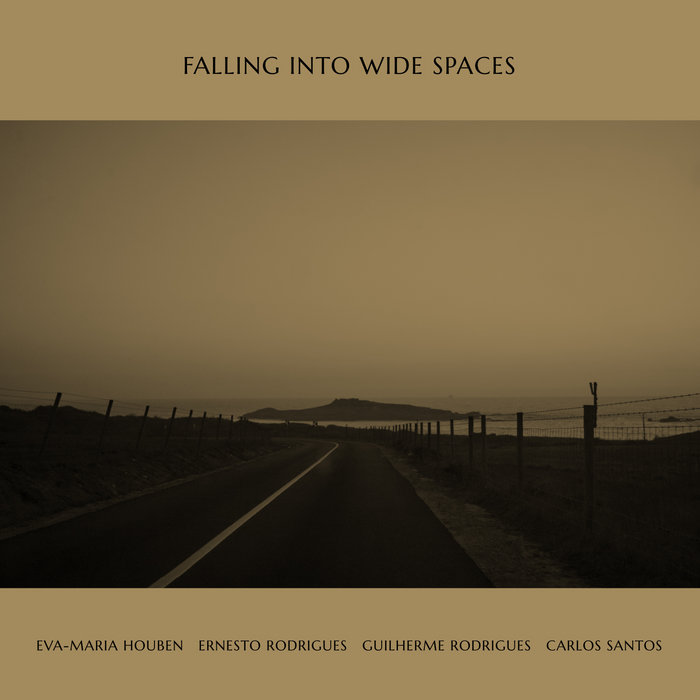
Trybuna Muzyki Spontanicznej · 4 March 2022
Considers a remotely assembled electroacoustic recording in which piano, organ, zither, cello and field recordings form a patient, spatially expansive music.
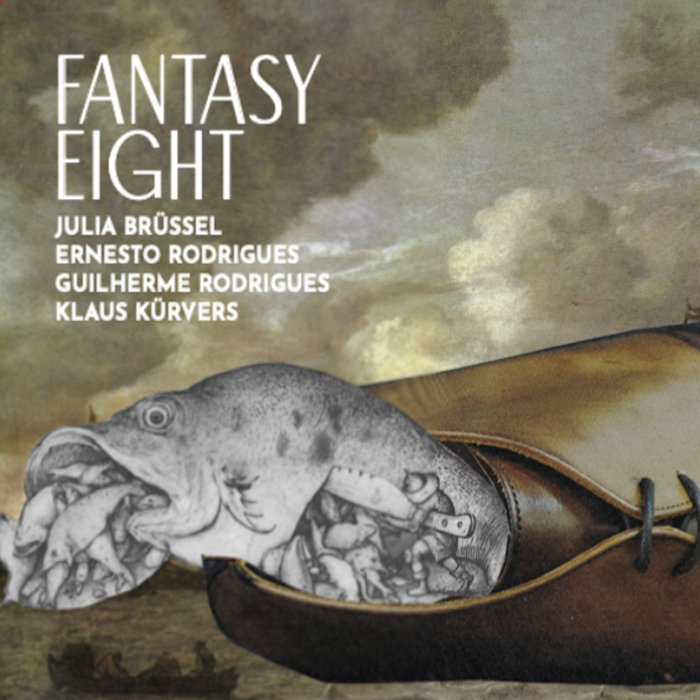
Trybuna Muzyki Spontanicznej · 24 September 2021
Observes eight concise string-quartet improvisations alternating delicate bowing, pizzicato, microscopic sounds and post-Baroque inflections.
Trybuna Muzyki Spontanicznej · 22 October 2021
Explores five string-trio improvisations, contrasting lyrical chamber passages with forceful friction, percussive gestures and shifting dynamics.
Jazz Thoughts · 7 May 2020
Discusses the layered mirror concept as the octet progressively plays with recordings of its previous performances, setting memory against improvisation.
Jazz Thoughts · 16 April 2020
Examines a lively quintet featuring Pedro Carneiro’s quarter-tone marimba and Rodrigo Pinheiro’s piano as a percussive counterpart to bass and strings.
The Free Jazz Collective · 29 March 2020
Praises the restraint and fine detail of the septet’s live textures, from sparse cello pizzicato to layered, subtly changing acoustic sounds.
Jazz Thoughts · May 2019
Considers the septet’s quiet interplay, the contrast between fragmented and sustained gestures, and its unusual sense of musical continuity.
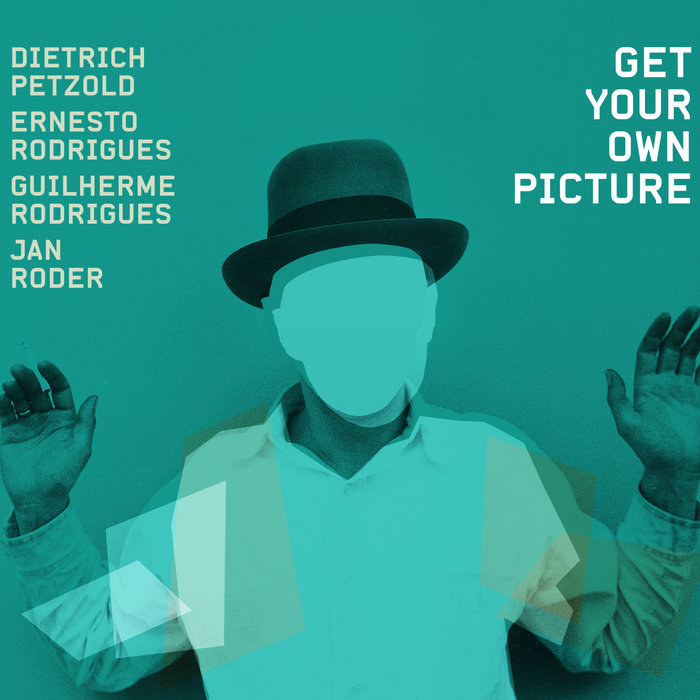
Jazz Thoughts · 2019
Places the quartet with Jan Roder within the evolving Rodrigues–Petzold string ensemble, noting its contrapuntal detail and more assertive motivic language.
The Free Jazz Collective · 29 March 2020
Reviews the unusual arrangement of two violas and two cellos, emphasizing the expressive scope of their intertwined middle-range sonorities.
Jazz Thoughts · August 2019
Discusses the counterpoint of paired violas and cellos and the album’s changing timbral colours, at times approaching late twentieth-century chamber music.
The Free Jazz Collective · 29 March 2020
Finds a striking delicacy of clicks, breaths and small-scale acoustic gestures within an ensemble of around twenty musicians.
Jazz Thoughts · 2017
Explores the quartet’s delicate, windswept and sometimes spectral textures, especially the ways prepared piano and bowed strings blur into one collective sound.
The Squid’s Ear · 18 April 2018
Discusses Magda Mayas’s prepared piano alongside violin, viola and cello: rattling percussion, strained harmonics and gradually unfolding collective gestures.
Jazz Thoughts · 2018
Reads the long Paris quartet improvisation as an intricate framed sonic landscape, with Fred Marty’s bass anchoring Rodrigues's strings and Carlos Santos’s electronics.
Jazz Thoughts · August 2019
Investigates the double album’s closely meshed horn-and-string counterpoint, shifting instrumental identities and the contrast between its two extended studies.
Jazz Thoughts · August 2019
Reflects on Olaf Rupp’s guitar with the Rodrigues duo, highlighting restrained, gently melodic plucking, buzzing dissonance and waves of fleeting sound.
Jazz Thoughts · 2018
Considers the string trio with a second cello and Carlos Santos’s electronics as a broad, sometimes windswept musical landscape combining instrumental depth and spectral colour.
Jazz Thoughts · December 2018
Explores how Carlos Santos’s nearly invisible electronics become embedded in the Rodrigues duo’s evolving textures, maintaining continuity across changing sonic scenes.

Jazz Thoughts · 2018
Describes a violin/viola-and-cello trio that grows from sparse gestures toward dramatic climaxes while maintaining a calming mood, with occasional bowed metal and clavichord.

Jazz Thoughts · 2018
Compares the Isotope Ensemble’s quiet rumblings, overtone layers and animated horns, noting a striking moment when the metronome enters its crowded sound texture.

Jazz Thoughts · 2018
Places the sixteen-player String Theory improvisation within the label’s milestone 500th release, emphasizing restraint, shifting string harmonics, piano and zither detail.
The Squid’s Ear · 10 February 2020
Finds a gentle yet insistent balance between arco passages and quieter pizzicato textures in the large String Theory ensemble, with waves of subtly changing intensity.
Jazz Thoughts · 2018
Examines the quartet’s enigmatic, five-part response to John Cage’s 0′00″, focusing on time, short silences and multiple distinct musical worlds.
Jazz Thoughts · 2018
Discusses the Variable Geometry Orchestra’s two large-scale conductions as contrasting orchestral worlds, from a massive ensemble eruption to a more mysterious session.
Bodyspace.net · 16 March 2018
Reviews a string quintet with percussion, noting how collective listening and small gestures build a shared sound from bowed strings, pizzicato and subtle percussive detail.
Bodyspace.net · 16 March 2018
Examines the Bistre trio’s five pieces, following the dialogue of cello, trombone and guitar from restrained, pointillistic research into forceful moments of collective tension.
Trybuna Muzyki Spontanicznej · 10 January 2018
Follows the Bistre trio’s five compact improvisations, focusing on the gradual shifts between breathy trombone, cello bowing and guitar feedback, with sharply detailed exchanges.
The Squid’s Ear · 1 June 2020
Discusses the way the trio’s strings, pitch pipes and other instruments interact with field recordings, making environmental sounds an active voice in the improvisation.
The Squid’s Ear · 10 June 2021
Emphasizes the quartet’s fullness and subtle lyricism, with Fred Marty’s bass and Carlos Santos’s electronics lending depth to the Rodrigues duo’s quiet instrumental exchanges.
Jazz Thoughts · 2020
Notes how this compact CreativeFest quartet revisits the ensemble of Jardin Carré, unfolding through low, creaking strings, ambiguous electronic colours and slowly changing textures.
The Squid’s Ear · 30 July 2018
Describes the brief improvised pieces as an intricate game of overlapping resonances and elusive instrumental voices, with prepared piano, strings and guitar in close exchange.
Jazz Thoughts · 2016
Explores the long-form interaction of curved-bow viola and cello with field recordings, considering its cycles, silences and careful relationship between abstraction and the natural environment.
Jazz Thoughts · 2016
Offers a brief, ambivalent appraisal of the Rodrigues duo with Monsieur Trinité’s small percussion, describing a strange, minimalist and seemingly unpredictable session.
Jazz Thoughts · 2018
Examines the seven-player Free Music Septep’s combination of strings, winds, piano, bass and drums, and its balance of conventional free playing with smaller, fragmented interactions.
Jazz Thoughts · 2018
Considers a quartet with Adam Pultz Melbye and Kriton Beyer, noting exploratory textures and a more restrained, less confrontational approach than its predecessor Nuc Box Hums.
Jazz Thoughts · 2018
Reflects on the improvising string quartet of the Rodrigueses, Tristan Honsinger and Klaus Kürvers, and its more traditionally melodic, sometimes folksy direction.

The Free Jazz Collective · 28 August 2021
In a survey of solo cello recordings, Gijssels describes Rodrigues’s first solo album as an accessible yet adventurous collection of short improvisations, each exploring distinctive playing techniques and expressive possibilities.
The Free Jazz Collective · 3 November 2021
Discusses the trans-spatial collaboration between Rodrigues’s shruti-box improvisation and Carlos Santos’s electronic processing, tracing the emergence of a layered, meditative dialogue between acoustic and digital sound.
The following releases are part of the official Creative Sources discography of Guilherme Rodrigues, but no independently attributed published review could be established in the consulted historical sources. Retailer descriptions and liner notes are not counted as criticism. Each release has a research record for later verification.
Brief editorial summaries of published reviews and criticism. Original publication links are shown when located and verified; entries without a confirmed original article link now have their own archival reference page while the primary sources are researched. Album artwork links lead to the confirmed release on Guilherme Rodrigues’s Bandcamp when available, or to the official Creative Sources catalogue when a personal Bandcamp URL has not been verified. Additional source references are documented in the individual review records.